##### ###### ##### ### # # ### # # ###### ## ## ## ## ## ## ## # # # # # ## ##### #### ##### # # # # # # # #### ## # ## ## ## ## # # # # # ## ## # ###### ## ### # ### # ######
##### ###### ##### ### # # ### # # ###### ## ## ## ## ## ## ## # # # # # ## ##### #### ##### # # # # # # # #### ## # ## ## ## ## # # # # # ## ## # ###### ## ### # ### # ######
##### ###### ##### ### # # ### # # ###### ## ## ## ## ## ## ## # # # # # ## ##### #### ##### # # # # # # # #### ## # ## ## ## ## # # # # # ## ## # ###### ## ### # ### # ######
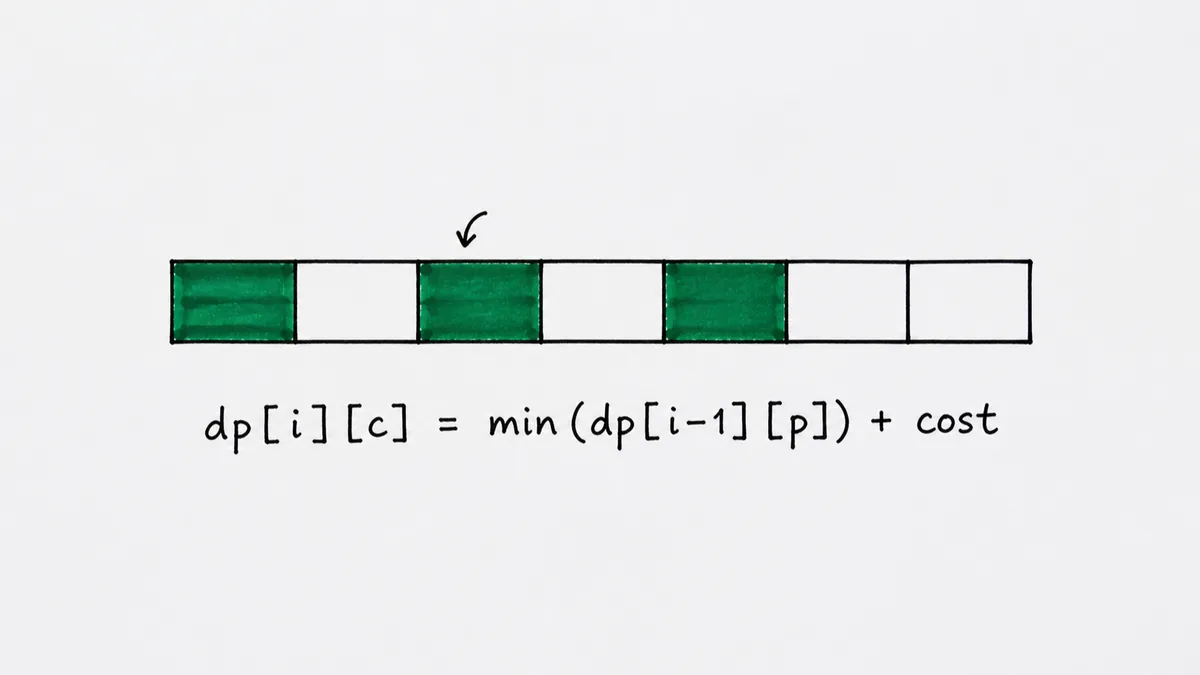
You'll break problems into subproblems and reuse solutions. Covers memoization, tabulation, knapsack, LCS, and grid DP.
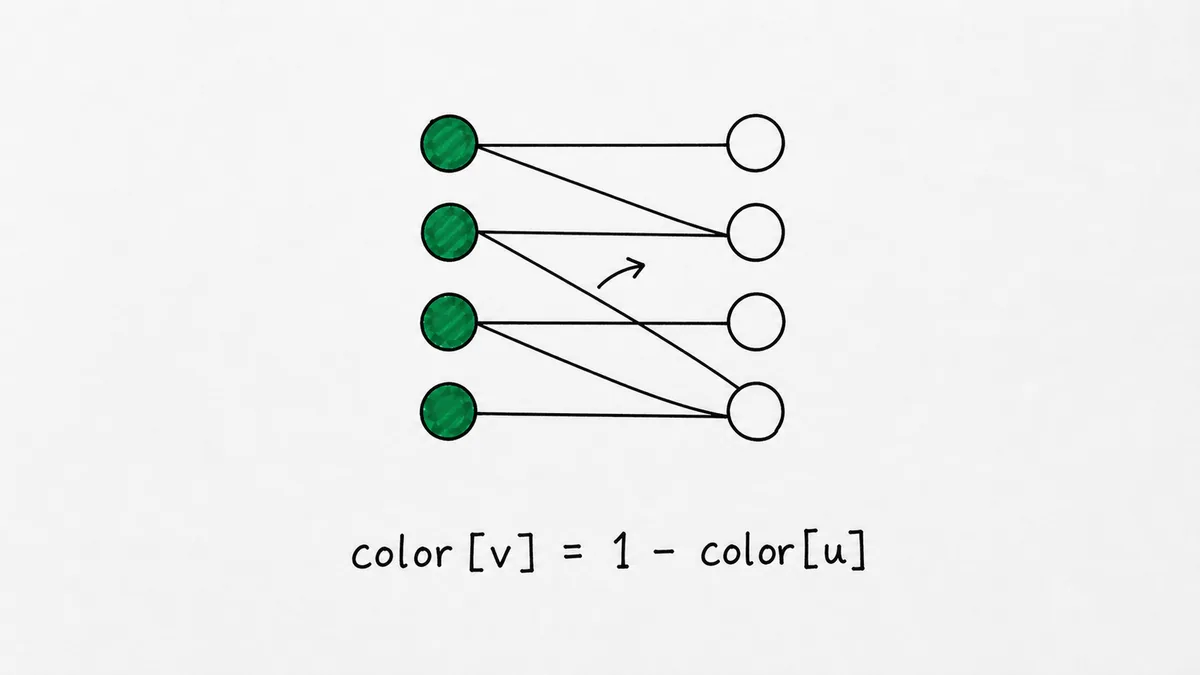
Graphs model connections between things. Covers BFS, DFS, connectivity, and problems on both graphs and grids.
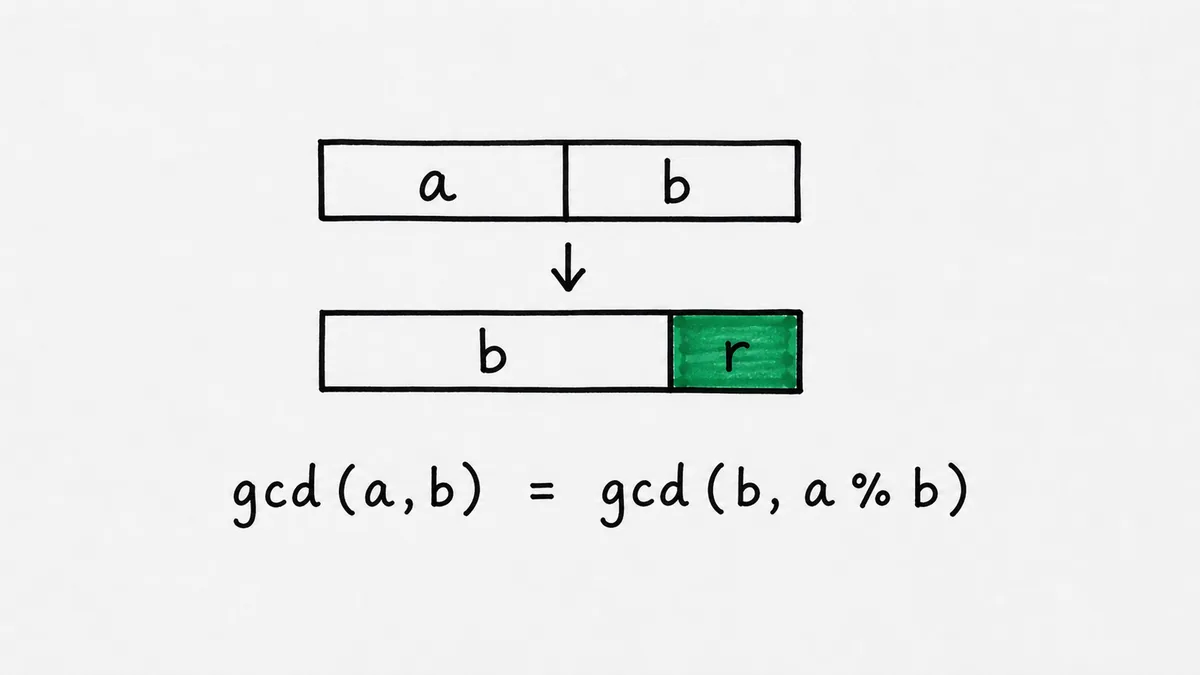
The math behind the algorithms. Covers arithmetic, algebra, logic, counting, and complexity analysis.
The standard language for competitive programming. Covers variables, loops, arrays, functions, and STL basics.
learn the patterns behind MAANG coding interviews. You'll solve the exact problems asked at Meta, Amazon, Apple, Netflix, and Google.
How to communicate in coding interviews. Covers think-aloud, STAR method, clarifying questions, and coding narration.
Start here if you're new to programming. Covers variables, loops, lists, functions, and your first challenges.
Advanced problem-solving DP course. Goes deep into problem families, building on your fundamentals.
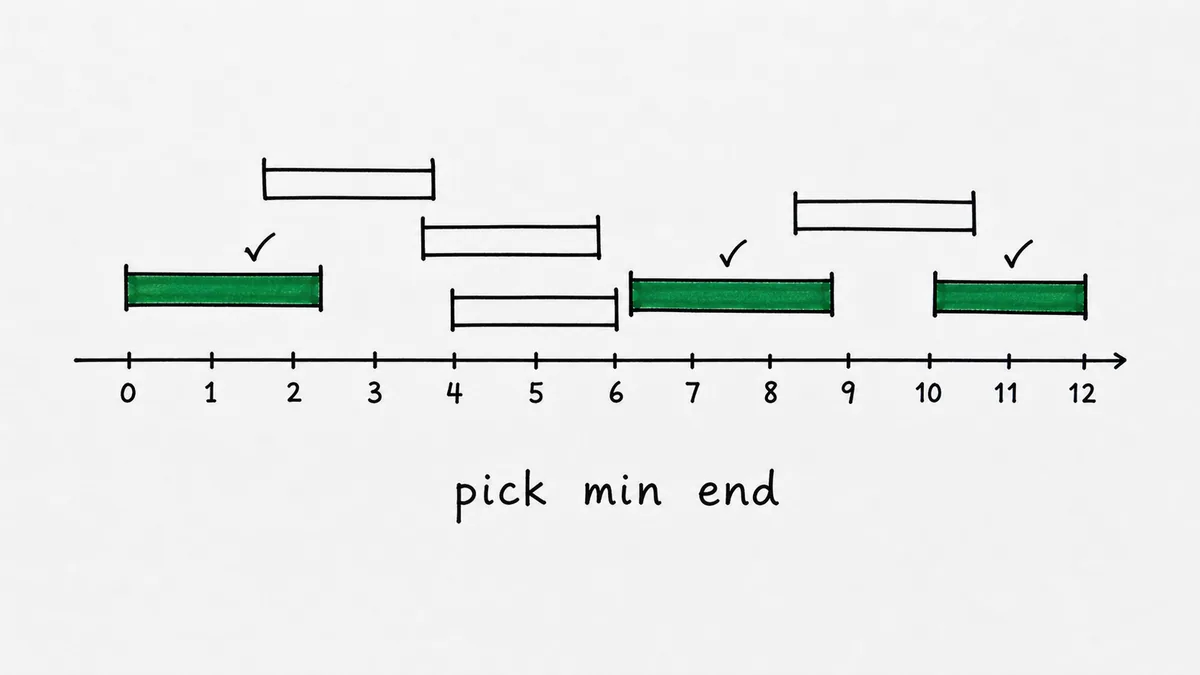
Sometimes the simplest choice at each step gives the best answer. Covers proofs, exchange arguments, and classic problems.